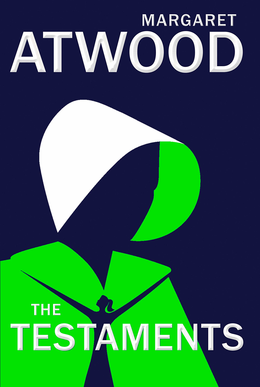
Unraveling the Mystery: Who Are Daisy's Parents in The Testaments?
The highly anticipated sequel to Hulu's acclaimed series The Handmaid's Tale, titled The Testaments, has arrived, immediately plunging viewers back into the chilling world of Gilead and its resistance. Set approximately four years after June Osborne orchestrated the liberation of Boston's Handmaids, the show shifts its focus to a new generation, introducing pivotal characters like Agnes and Daisy. While fans of Margaret Atwood's original novel might think they know all the answers, the series is already making significant departures, particularly concerning the enigmatic character of Daisy. One of the central questions captivating audiences is: Who Are Daisy's Parents In The Testaments, and how does the show's portrayal differ from the book?
From the outset, the Hulu adaptation of The Testaments establishes Daisy as a young woman from Canada, seemingly seeking a fresh start. However, it quickly becomes apparent that her true purpose is far more dangerous: she's a dedicated spy for Mayday, embedded within Gilead's treacherous landscape. This revelation immediately sets a tone of intrigue around her character. We learn she was smuggled out of Gilead as an infant and raised with immense love by her adoptive parents, Neil and Melanie, whose tragic deaths during a Gilead attack on their store fuel Daisy's quest for answers and revenge. But while June Osborne eventually reveals fragments of Daisy's past, the identity of her biological parents remains a tantalizing mystery in the early episodes of the show, leaving fans to speculate wildly.
The Book's Revelation vs. The Show's Enigma: A Tale of Two Daisys
For those familiar with Margaret Atwood's novel, the question of Daisy's parentage is definitively answered: she is none other than Nicole, the daughter of June Osborne (Offred) and Nick Blaine. In the book, Nicole is smuggled out of Gilead as an infant and renamed Daisy by her adoptive parents in Canada. Her journey back to Gilead, initially as a Pearl Girl, is a central plotline, culminating in the shocking discovery of her true lineage.
The Hulu series, while maintaining a similar role for Daisy as a young woman drawn into Mayday's operations and returning to Gilead, significantly alters her backstory and, crucially, her biological ties. The show introduces Daisy much earlier and dramatically reduces the age gap between her and Agnes, compressing what was a substantial difference in the book to just a year or two. This subtle but impactful change has profound implications for the narrative, especially regarding the shared journey of self-discovery that Agnes and Daisy embark upon.
Moreover, the book's timeline places events 15 years after the conclusion of The Handmaid's Tale novel, allowing for a natural aging of characters like Nichole into a teenager. The show's more immediate timeline, picking up only a few years after Boston's liberation, necessitates changes to make Daisy's age and backstory fit the ongoing narrative of the television series. This creative decision opens up a new, uncharted territory for the show's writers, allowing them to forge a unique path for Daisy's identity.
Daisy is NOT Nichole: Dispelling the Common Misconception
One of the most persistent theories among viewers, particularly given the events of The Handmaid's Tale, was that Daisy might be Nichole, June and Nick's second child, who was famously smuggled out of Gilead. However, showrunner Bruce Miller definitively put this theory to rest, confirming to Deadline that Daisy is indeed not Nichole. This clarification is vital for understanding the new direction of The Testaments series.
Several factors made the Nichole theory implausible within the show's established timeline:
- Age Discrepancy: Hannah, June's first daughter, was approximately eight years old when Nichole was conceived. At the end of The Handmaid's Tale, Nichole was still a toddler. For Nichole to believably age into a teenager like Daisy in just four to five years (the show's new timeline) would be a significant continuity leap, stretching credulity for even the most dedicated fans.
- Hannah's Accelerated Aging: The series has already depicted Hannah aging at a somewhat accelerated pace compared to Nichole, making it clear they existed in different developmental stages.
- Showrunner Confirmation: Miller's explicit statement removes all doubt, confirming that the show intends to explore a different lineage for Daisy.
This revelation dramatically alters the narrative landscape, especially for characters like June and Agnes. It means that Agnes and Daisy will not share the profound bond of discovering they are biological half-sisters, a cornerstone of the book's emotional depth. Instead, the show promises a fresh dynamic between these pivotal young women. For more details on this, explore The Testaments: Why Daisy Isn't Nichole & Her Real Identity.
New Theories and Uncharted Territories for Daisy's Identity
With Nichole ruled out, the question of Who Are Daisy's Parents In The Testaments (the show) takes on renewed urgency and fuels a vibrant fan debate. The series has intentionally kept this mystery alive, allowing viewers to piece together clues. The dramatic shift in Daisy's identity also means that the narrative weight previously carried by her being June's daughter must now be redistributed or replaced, creating new opportunities for character development and plot twists.
One popular and compelling fan theory posits that Daisy could be Charlotte, also known as Angela, the daughter of Janine. Janine, a beloved and resilient Handmaid from The Handmaid's Tale, had Charlotte with Commander Putnam. Charlotte was then raised by the Putnam family within Gilead. This theory holds appeal for several reasons:
- Emotional Resonance: Connecting Daisy to Janine would provide a powerful emotional link to the original series' beloved characters and ongoing struggles.
- Narrative Potential: Discovering her mother is a Handmaid like Janine, known for her defiance and compassion, would offer Daisy a different but equally compelling legacy to reckon with.
- Fits the Timeline: Charlotte would be roughly the right age to be Daisy, and her known history within Gilead aligns with Daisy being smuggled out as an infant.
Adding another layer of intrigue, Lucy Halliday, the actress playing Daisy, bears a striking resemblance to a younger June Osborne, even mirroring some of her mannerisms. While this might be an intentional casting choice to subtly misdirect viewers or to hint at a deeper, albeit not biological, connection, it further complicates the identity puzzle.
The show also hints at June having a pre-existing, significant relationship with Daisy's adoptive parents, Neil and Melanie, and an awareness of Daisy's past, even if they aren't mother and daughter. This suggests that June's involvement in Daisy's life runs deeper than simply revealing fragmented truths. It implies June has known about Daisy for a while, perhaps even played a role in her initial smuggling or subsequent protection. This adds a rich layer to June's character, demonstrating her far-reaching network and her continued efforts to protect children born in Gilead.
Understanding these potential new directions is key to appreciating the show's unique narrative. Dive deeper into the current theories surrounding her identity by reading The Testaments: Who Are Daisy's Parents in the Hulu Series?
Conclusion: A New Chapter for Daisy and Gilead
The Hulu adaptation of The Testaments courageously carves its own path, offering a fresh perspective on a beloved story. By altering Daisy's biological parentage and debunking the Nichole theory, the series creates an exciting new mystery, inviting both book readers and new viewers to speculate and engage. While the book firmly establishes June and Nick as Daisy's parents, the show intentionally keeps the question of Who Are Daisy's Parents In The Testaments open, promising a journey of discovery that will undoubtedly shape her character and her role in the burgeoning resistance against Gilead. As Daisy delves deeper into her past, uncovering her true origins will not only define her identity but also significantly impact the unfolding rebellion and the lives of those around her, especially Agnes. The stage is set for a thrilling and unpredictable exploration of legacy, identity, and the enduring fight for freedom.